Capital
Zagreb
Europe, Adriatic Sea, Islands
A colorful learning page about a country with clear sea water, waterfalls, old cities, national parks and an exciting history.
Quick facts
Fact Sheet
First come the key facts. Then there are more details for everyone who wants to get to know Croatia better.
Capital
Zagreb
Language
Croatian
People
3.9 million
Area
56,594 km²
Currency
Euro
Croatia is in southeastern Europe. To the west is the Adriatic Sea. Its neighbors include Slovenia, Hungary, Serbia, Bosnia and Herzegovina, and Montenegro.
Memory sentence: Croatia lies on the Adriatic Sea, so it has many coastal towns and islands.
The Croatian flag has three stripes: red, white and blue. The coat of arms is in the middle. The red-and-white pattern looks a bit like a chessboard.
Nature
Croatia is special because many landscapes are close together: coast, islands, forests, rivers, lakes and rocky mountains.
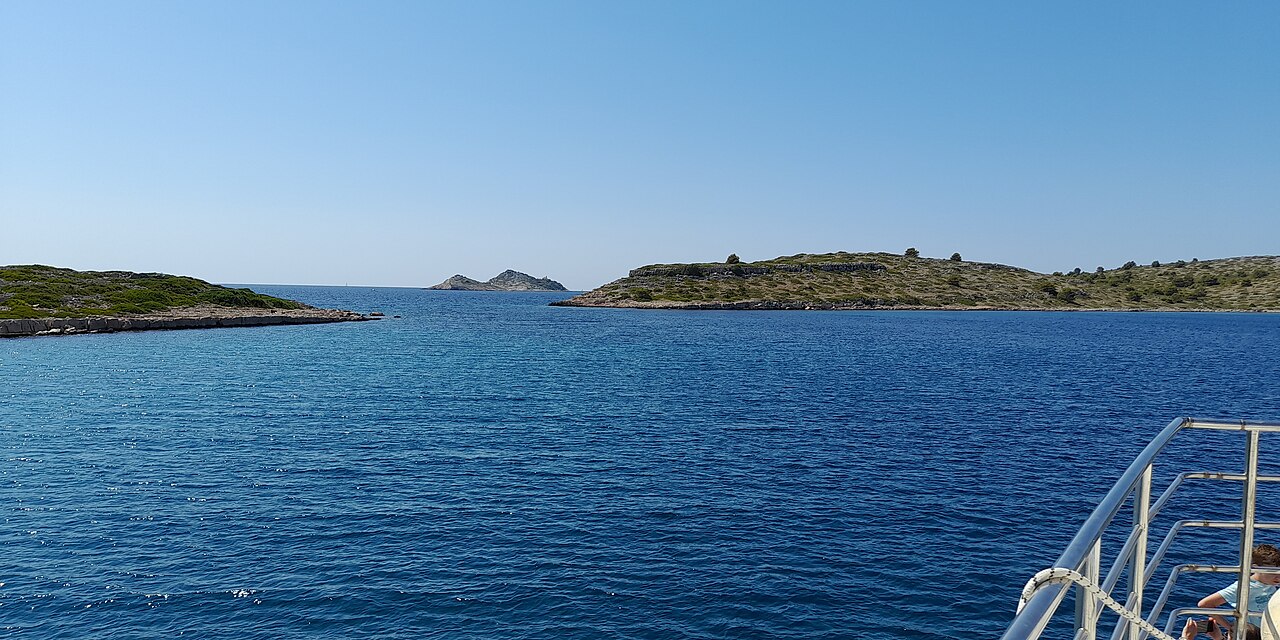
A national park with many rocky islands, pale stone and deep blue water.
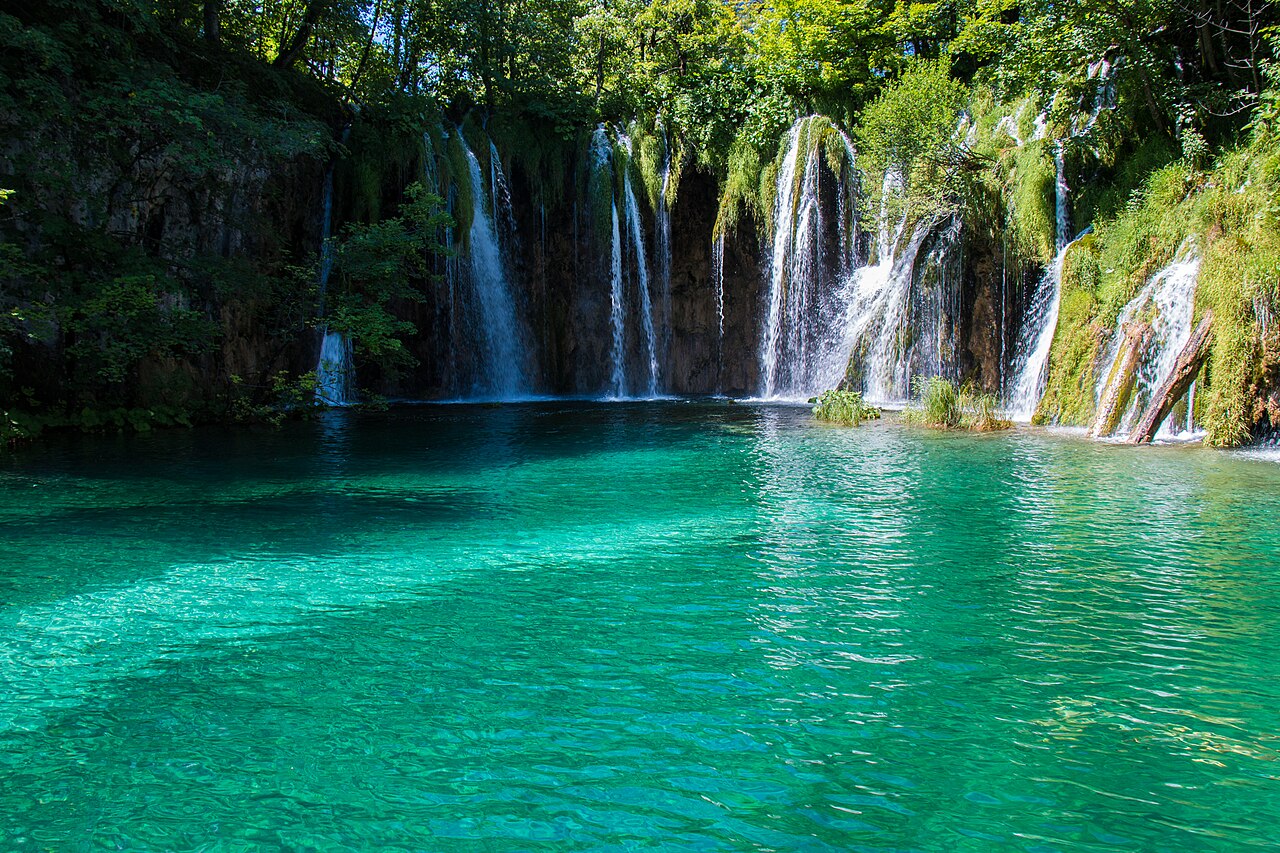
Lakes and waterfalls lie above one another like steps. The water often looks turquoise.
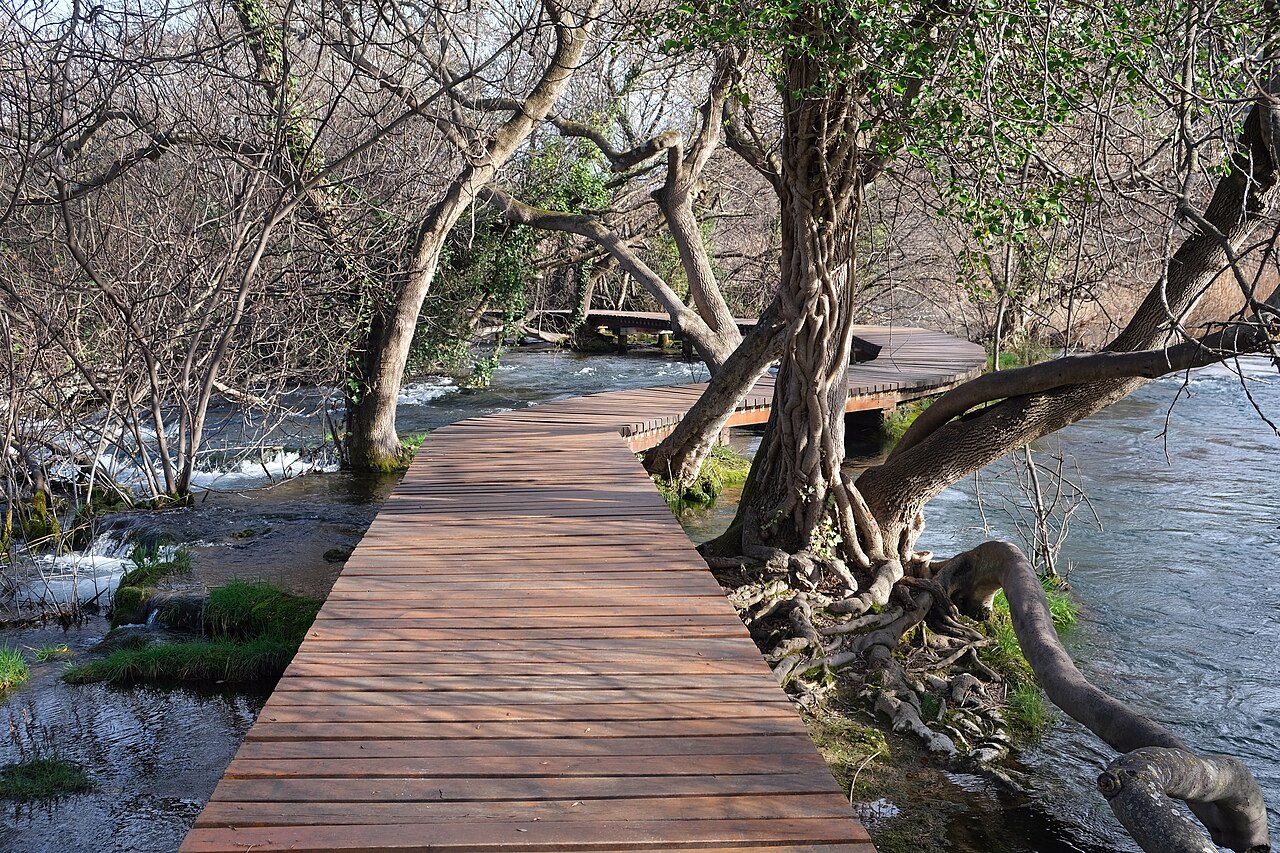
The Krka River forms waterfalls, wooden paths and green riverbanks.
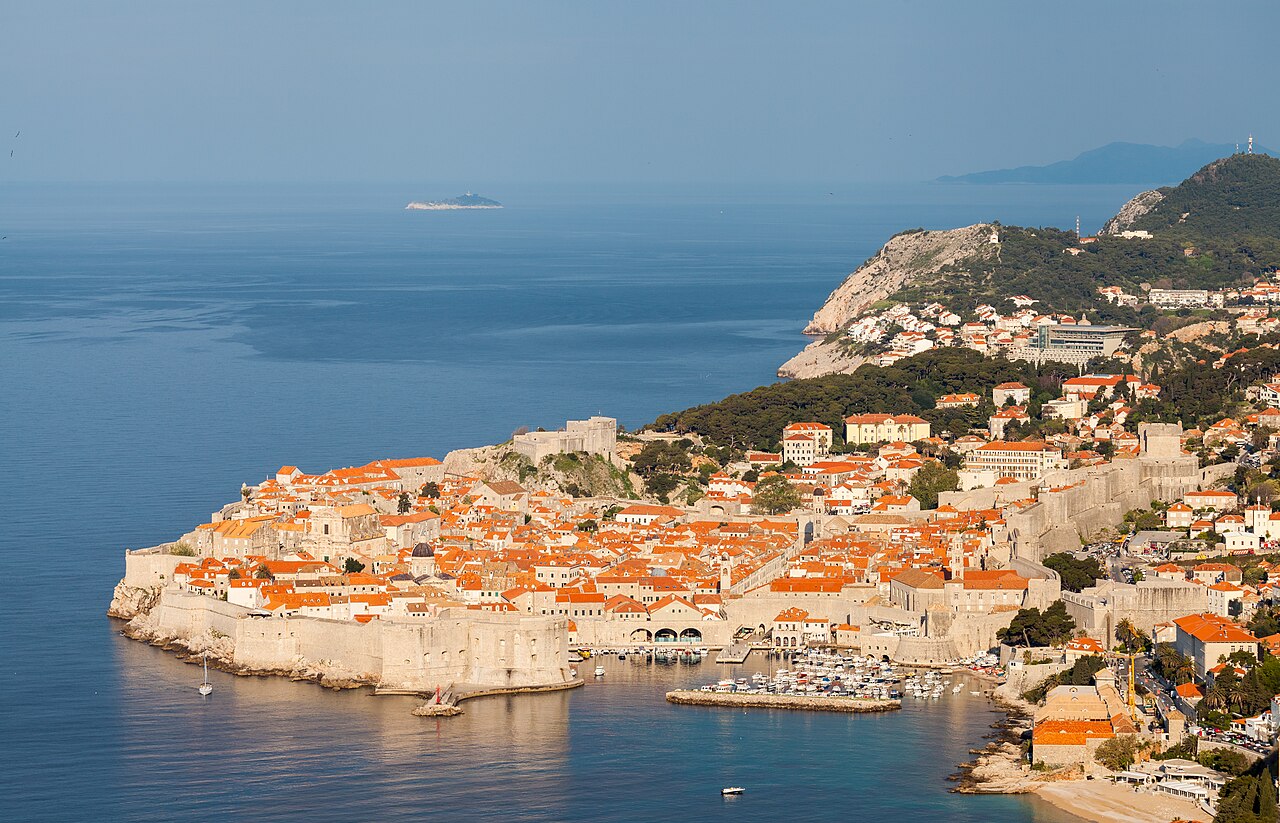
An old city right by the sea, famous for city walls and red roofs.
8
National parks protect special nature.
1949
Plitvice became Croatia's first national park.
UNESCO
Plitvice is a World Heritage Site.
Adriatic
The sea shapes the coast, food and holidays.
National Parks
Click a card. It opens a short text about that national park.
Cities & Buildings
Zagreb, Split and Dubrovnik show three different sides of Croatia: capital city, Roman history and coastal city.
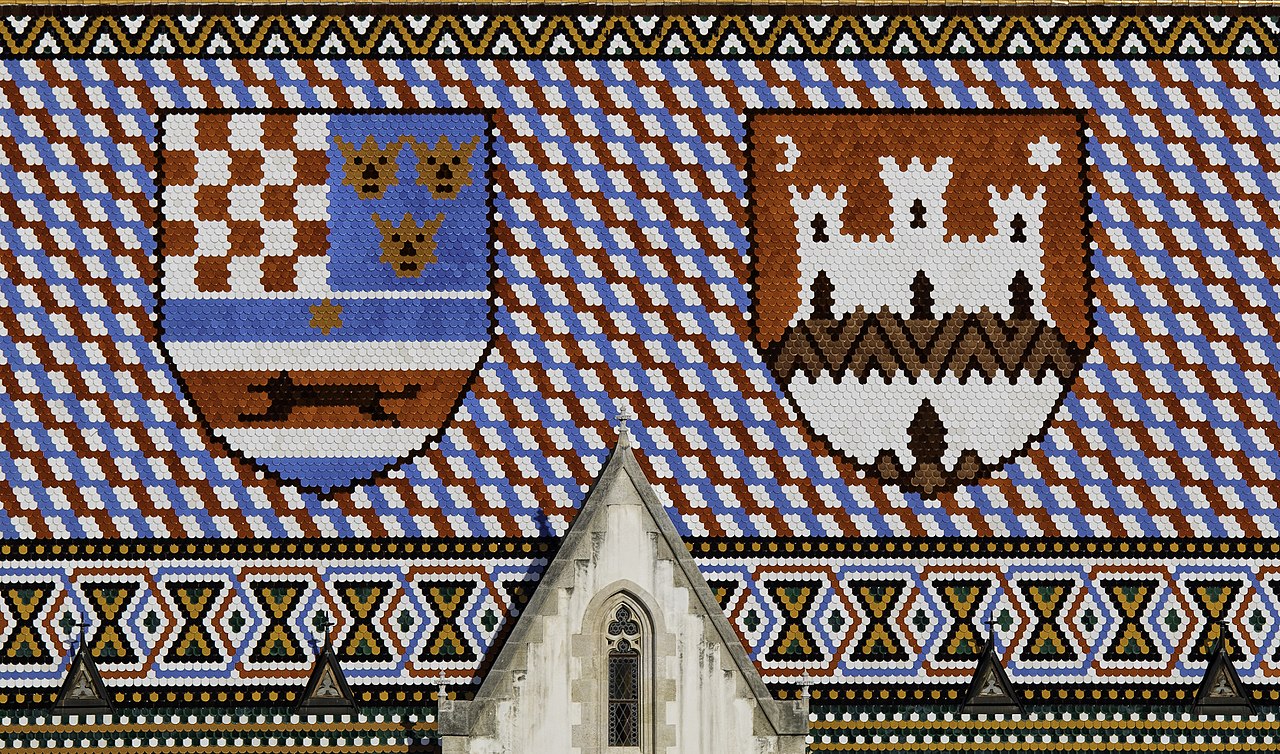
Capital
Zagreb is in the north. It is known for St. Mark's Church with its colorful roof.
Zagreb is the capital of Croatia and an important center for politics, culture and transport. In the old town there are squares, churches, museums and trams. St. Mark's Church stands out because its roof looks like a colorful pattern.
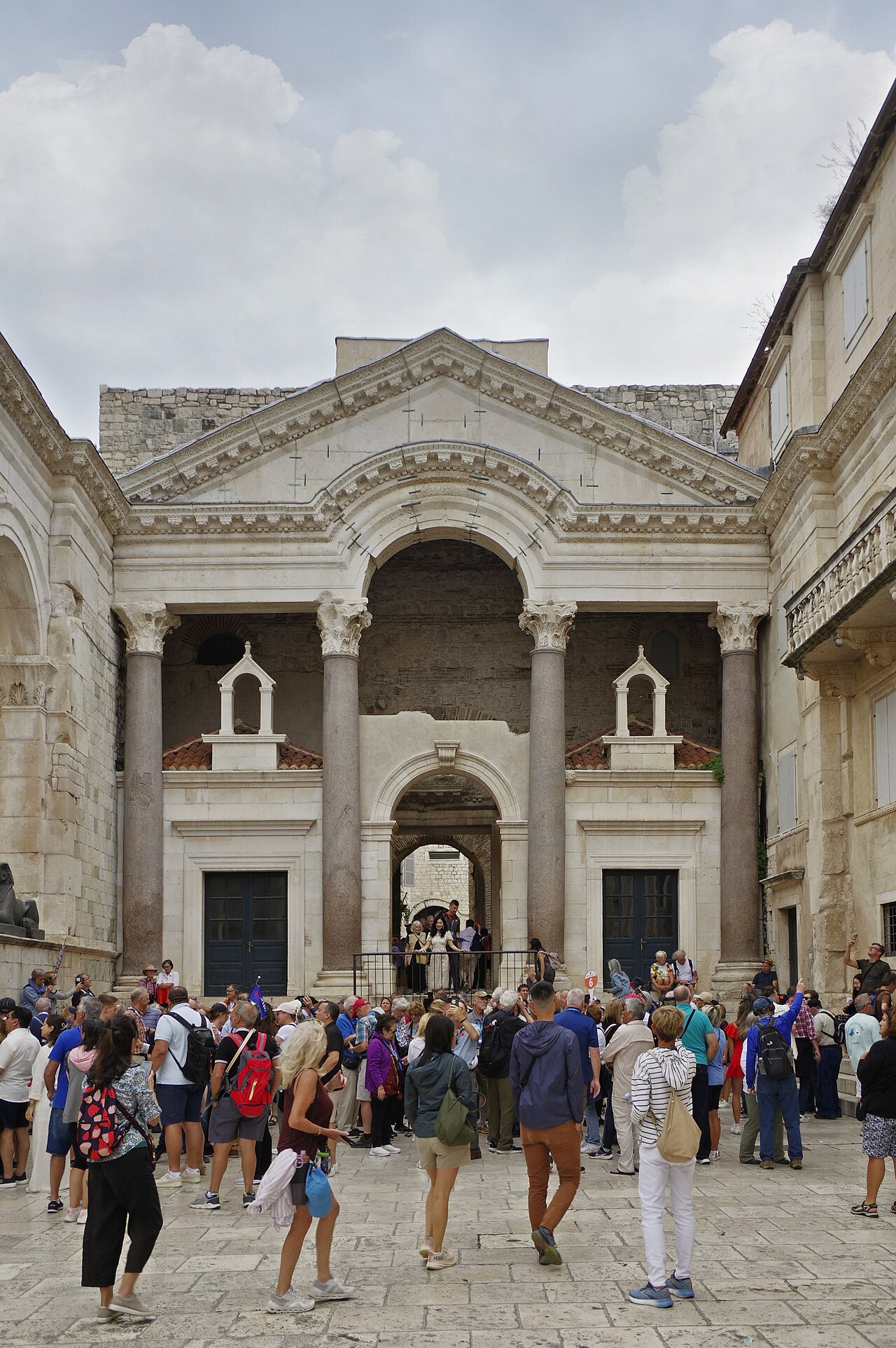
Roman times
In Split you can find Diocletian's Palace. Today it is part of the old town and a UNESCO World Heritage Site.
Split lies on the coast of Dalmatia. The special thing is Diocletian's Palace from Roman times: it is not just one building, but a whole part of the old town. Today you can find alleys, squares, cafes and old walls right next to each other.
Coast
Dubrovnik has old city walls, red roofs and lies directly on the Adriatic Sea.
Dubrovnik is often called one of the most beautiful cities on the Adriatic Sea. The old town is surrounded by strong walls. From above you can see red roofs, pale stone and the blue sea, which makes Dubrovnik a very famous photo spot.
Culture
Dobar dan means hello. Hvala means thank you.
On the coast, people often eat fish. Peka, cevapi and pancakes are also well known.
Many people swim, hike, go boating or visit markets and festivals.
Football is very popular. Croatia has had strong national teams.
Dobar dan
Hello
Hvala
Thank you
More
Sea
History
1949
Plitvice becomes a national park.
1991
Croatia declares independence.
2013
Croatia joins the EU.
2023
Croatia starts using the euro.
Summary
These five points summarize the most important information on the page.
Quiz
Click an answer. The correct answer turns green.
Correct: Zagreb is in the north of the country.
Correct: The Adriatic Sea lies between Italy and Croatia.
Correct: Plitvice Lakes are very famous.
Correct: Croatia has used the euro since 2023.